
Criminal Cases in the Saline County Courts
All Saline County state criminal cases belong to the Illinois Circuit Court. Saline County sits in the First Judicial Circuit. Felonies, misdemeanors, traffic charges, and municipal ordinance matters use this circuit structure. There is no separate Harrisburg, Eldorado, or Carrier Mills municipal court database. A city citation that becomes a filed matter receives a circuit case number and is routed to the Saline County Circuit Clerk.
The Circuit Clerk is the official custodian. The clerk maintains filed charging papers, the event-by-event docket, hearing settings, orders, dispositions, sentencing records, and public financial entries. The State's Attorney decides what counts to file, but that office is not the case-file counter. Likewise, the County Clerk and Recorder is a different office. For a certified judgment or a final outcome, use the Circuit Clerk rather than an arresting agency.
Judici Fields for Saline Cases
The county links readers to the Saline County Judici case index. Search with the most exact name or full case number available. A same-name match is not enough. Compare the court, filing year, case type, charge, and docket history before treating a result as the intended Saline County criminal case.
The official search screen shows how Saline County court records are reached online.
Judici is an index, not a promise that every pleading has a downloadable image. A docket entry may identify an order while the signed court record remains available only from the clerk.
| Search field | Type | Required | Use |
|---|---|---|---|
| Last name | Text | Name route | Use exact and known prior spellings. |
| First name | Text | Optional | Narrows common surnames. |
| Case number | Text | Number route | Best key when copied from an official paper. |
| Filing year | Year | Optional | Separates older Saline County cases. |
| Case type | Selection | Optional | Distinguishes criminal, traffic, and ordinance records. |
How to Search Case Records
Start online for a public docket, but finish with the Circuit Clerk when accuracy or an official copy matters. Saline County courthouse files may be paper, archived, on microfilm, impounded, sealed, or governed by a retention rule. The county has not published a criminal-copy fee schedule, so ask for a quote and accepted payment method before mailing a request.
- Open the Saline County Judici court search and choose the relevant case category.
- Enter a party name or case number, then narrow by filing year and case type.
- Open the matching docket and compare charge, filing date, events, status, and disposition.
- Call the Circuit Clerk at 618-253-5096 if an entry has no image or the case is absent.
- Request a named item, such as the docket sheet, charging instrument, judgment, sentencing order, or certified copy.
For counter service, the Saline County Courthouse is at 10 E. Poplar Street, Harrisburg, IL 62946. Published office hours are Monday through Friday, 8:00 a.m. to 4:00 p.m. Official juror directions identify the north doors and courthouse security, and they bar phones for jurors. Call before bringing a device to a records visit because those directions may not describe each counter visitor.
Older Saline Files Not Online
An empty Judici result does not prove that no Saline County court case exists. A name may be misspelled, an older file may not be fully indexed, or a court order may restrict public access. Give the clerk a full name, likely year, and any known case number. Ask whether the file is onsite, archived, paper, microfilm, sealed, impounded, or destroyed under an authorized retention schedule.
Ask for the smallest useful set of papers. A docket sheet maps the event trail. The charging instrument shows what the State's Attorney filed. The signed judgment and sentencing order establish the court's result. Illinois Courts supplies the approved expungement and sealing forms when a person is reviewing their own eligible Saline County record.
The state forms page gives Saline County readers the required statewide form set.
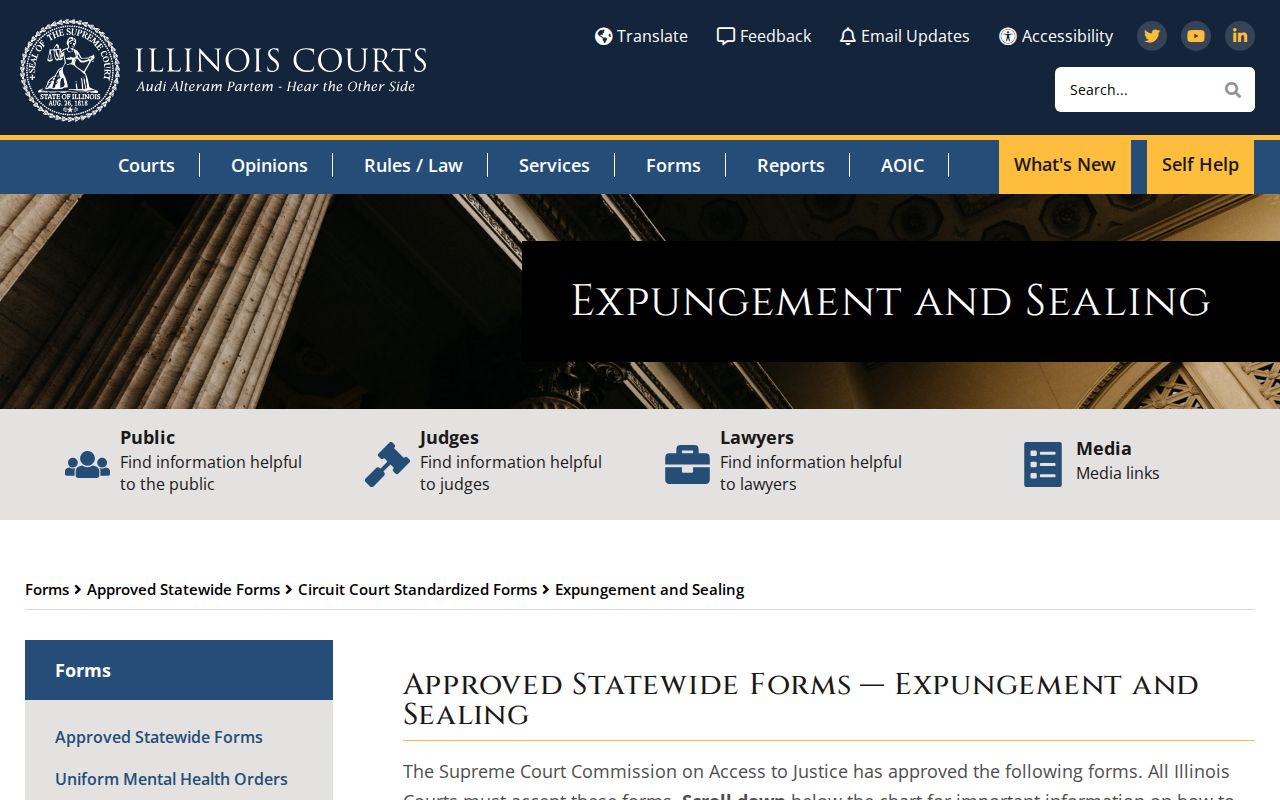
Filing a request does not itself clear a case. A judge must enter an order, and the clerk then sends it to the agencies named by Illinois law.
What the Case File Shows
A Saline County criminal court file follows the charge after it reaches court. It differs from a sheriff booking sheet, which records custody and the allegation received at intake. Filed counts may be replaced, added, reduced, dismissed, or resolved separately. Read the disposition for each count instead of treating the first listed allegation as the outcome.
| Case Number and Court | Identifies the Saline County circuit file, type, and filing year. |
|---|---|
| Charging Document | Shows the complaint, information, or indictment and filed statutes. |
| Docket Entries | Lists filings, appearances, motions, warrants, pleas, and orders by date. |
| Hearing Dates | Shows published settings, hearing types, and assignments when available. |
| Disposition and Judgment | Records dismissal, acquittal, conviction, supervision, or another result by count. |
| Sentence and Conditions | States the judge's order, including custody, probation, fines, or restitution when imposed. |
Financial entries may show assessments, payments, balances, and historical bond deposits or refunds. They are not a substitute for the judgment. Illinois ended money bail for new cases under the Pretrial Fairness Act framework, though older Saline County dockets can still contain cash and surety terms.
Reading Saline Case Outcomes
Short docket terms can change the meaning of a Saline County search. A dismissal ends a count without a conviction on that count. An acquittal is a not-guilty finding after trial. Nolle prosequi means the prosecutor formally chose not to proceed at that time. Supervision is an Illinois outcome that may avoid a judgment of conviction if it is completed and the governing offense permits it.
- Disposition
- The final or current outcome of one charge.
- Arraignment
- The stage when the charge and plea are formally addressed.
- Information
- A prosecutor-filed charging document used where Illinois law permits.
- Indictment
- A formal felony charge returned by a grand jury.
- Sentence
- The court-ordered result after a conviction.
One Saline County case can have several counts with different outcomes. Check each count and the signed order. A status of “closed” describes the file's posture, not whether every allegation produced a conviction.
Stages of a Criminal Case
A case may begin with an arrest or summons, followed by a prompt initial appearance and prosecutor charging review. Felonies can move through a preliminary-hearing or grand-jury path. Counsel, pretrial release, discovery, and motions come before a negotiated plea or trial. Judgment and sentence follow only if the process produces a conviction.
Case flow: Charges Filed › Arraignment › Pretrial › Plea or Trial › Disposition › Sentencing
Post-judgment motions and an appeal can extend the record. For a Fifth District appeal, obtain the appeal number and use the reviewing-court channel. Free remote access through re:SearchIL is clearest for nonconfidential reviewing-court documents filed on or after April 1, 2025. It is not yet a replacement for Judici and the Saline County clerk for every circuit file.
Where Saline Court Search Ends
Federal prosecutions from Saline County belong to the Southern District of Illinois, not the county circuit docket. Search those cases through PACER, after confirming the federal court and case number. PACER registration, its current fee rules, and courthouse terminal access are distinct from Saline County Judici service.
The federal docket screen marks that boundary.
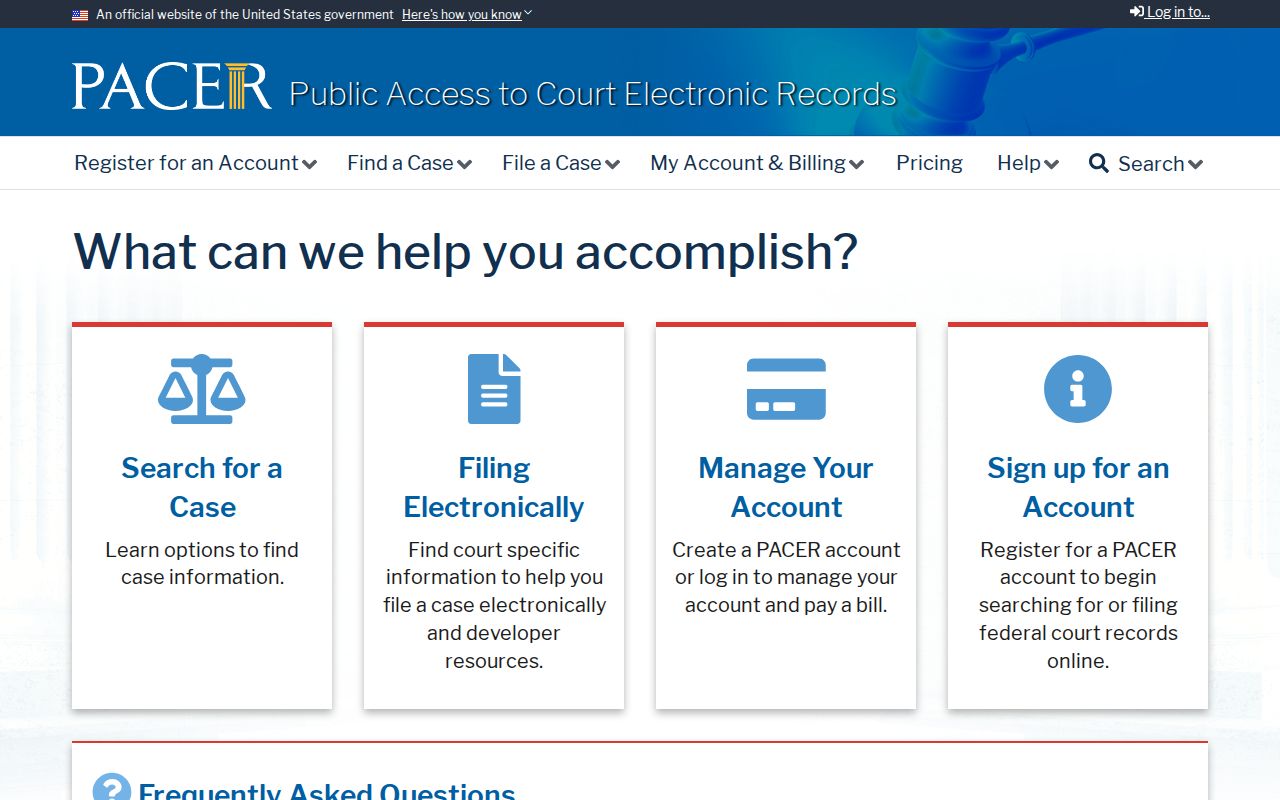
Its results do not replace a Saline County Circuit Clerk judgment.
Custody searches are also separate. The Federal Bureau of Prisons locator covers federal custody.
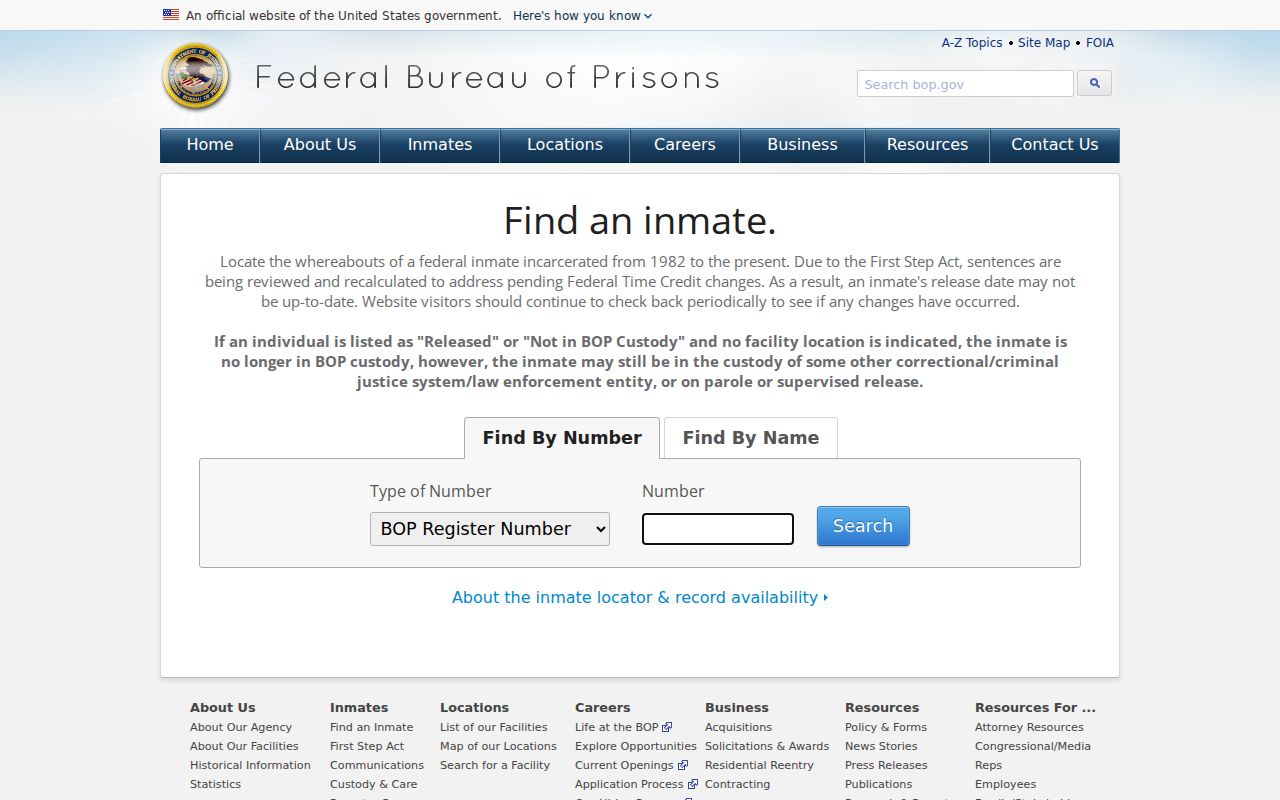
A federal location is not a county case disposition, and the locator does not cover the Saline County jail.
A person seeking their own fingerprint-based federal history uses the FBI Identity History Summary route.
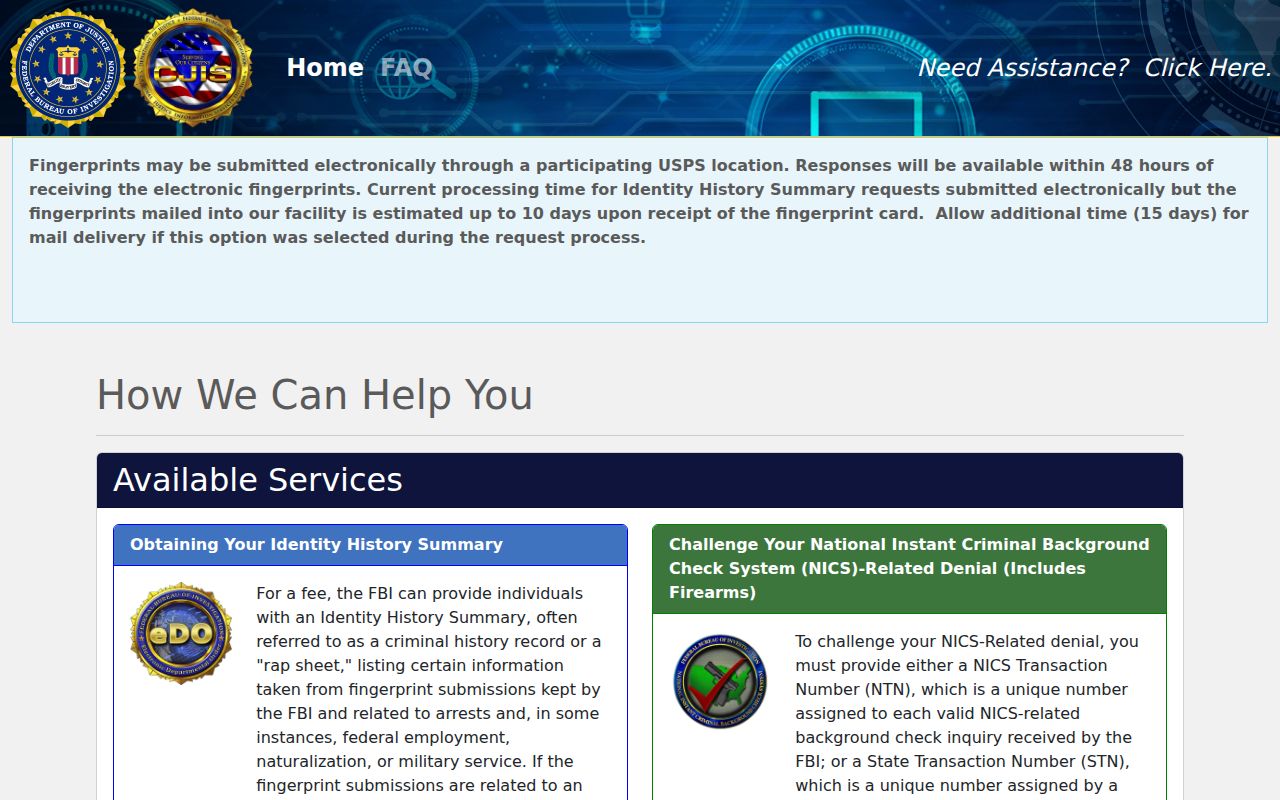
That personal summary is not a public name search and does not certify a Saline County court judgment.
Access & Restrictions
Public access is broad but not absolute. Juvenile matters, sealed or expunged cases, protected identifiers, victim and minor information, and confidential or impounded documents may not appear remotely. The Illinois Supreme Court Remote Access Policy can make an online view narrower than lawful counter access. The clerk cannot release a record that a statute or court order closes.
If a public Saline County record is missing online, ask the clerk whether another form of access exists. Do not use a Freedom of Information Act request to force access to a judicial record governed by court rules. FOIA is the route for records created by the sheriff or a city police department, while the clerk handles court dockets and filed documents.
Saline Case Data Needs Context
Crime totals are not court-case totals. The official FBI Crime Data Explorer reports law-enforcement data by agency, year, offense, and coverage. A police offense count can include events that never produce a filed Saline County charge, while one court case can contain more than one count.
The federal data interface can help test a broad trend, but it cannot answer what happened in one case.
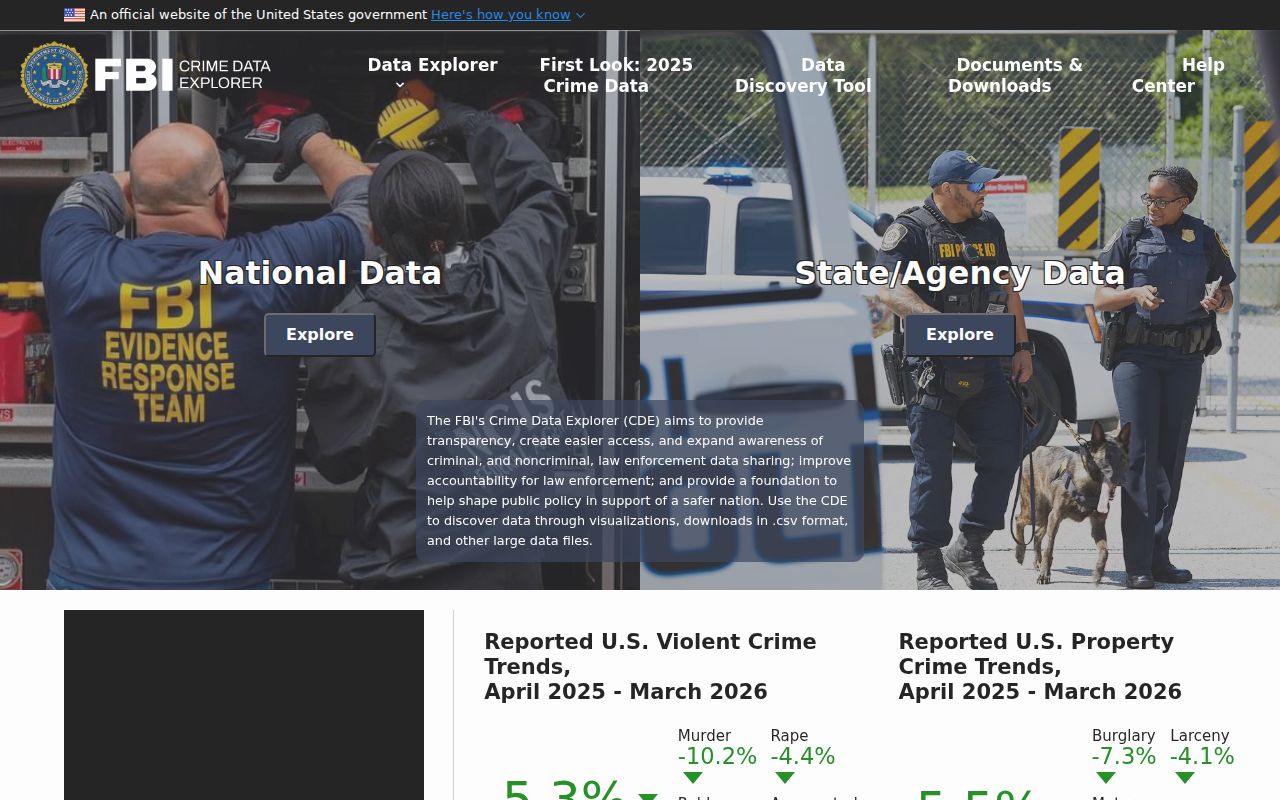
Use the Saline County docket and signed judgment for an individual outcome, and disclose agency coverage when citing a crime statistic.